
01
Product direction
Describe the family, application or product change the partnership needs to support.
Home / OEM and ODM capability
Partnership and customization
Create a more useful OEM or ODM conversation by separating the requested change, market requirement, production context, and open decisions.
Page content updated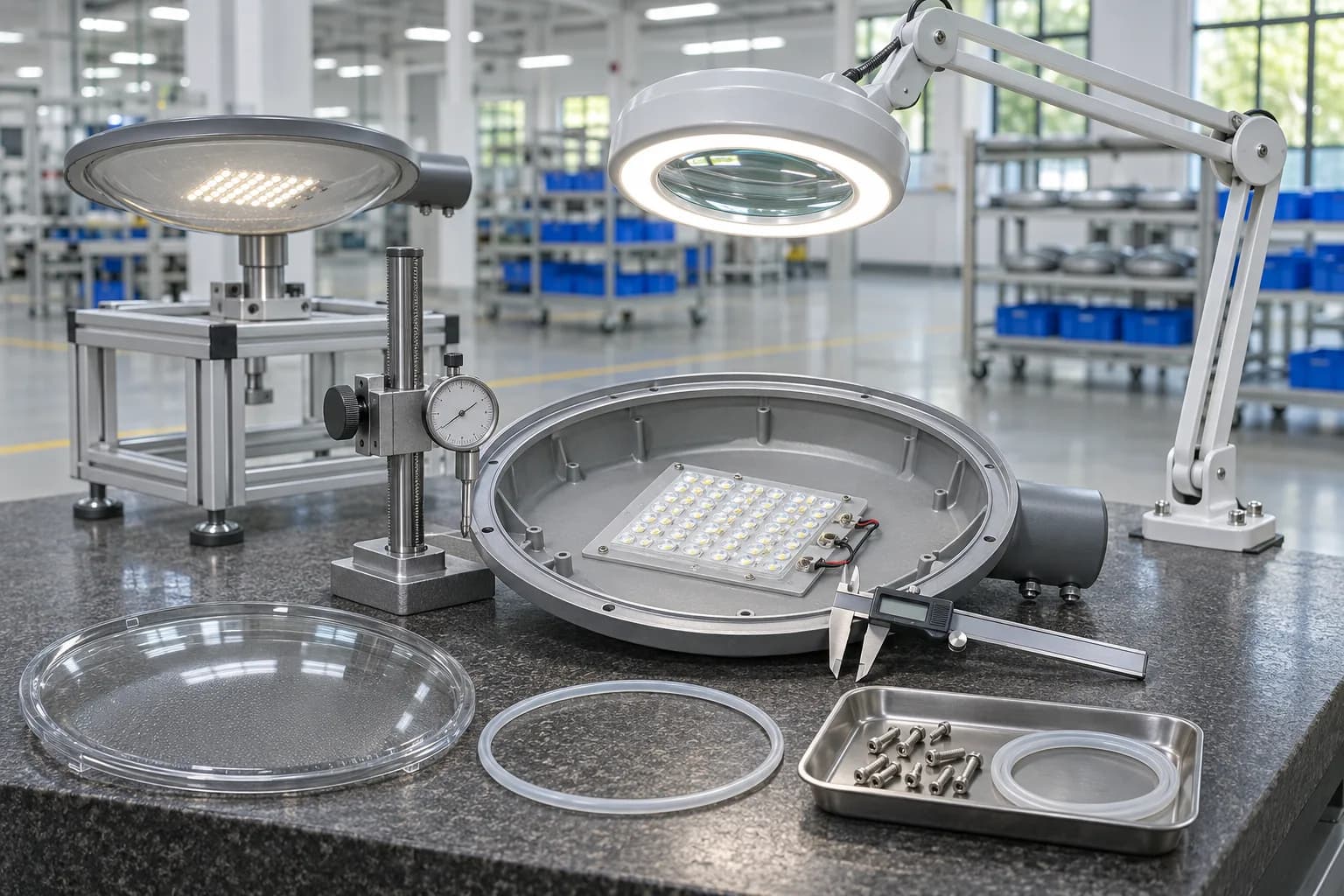
Partnership route
Create a more useful OEM or ODM conversation by separating the requested change, market requirement, production context, and open decisions.
An OEM or ODM enquiry is a request to review a defined product or design requirement. Name the product role, application, target market, volume context and requested change. Keep existing features separate from proposed modifications so feasibility and documentation can be reviewed accurately.
↓Separate the proposed change into design, documentation, production and commercial questions. Explain what must remain compatible with the existing installation or product range, and identify any approval documents required by the destination market. This gives each team a defined question to answer. Feasibility, tooling, verification and timing are review items, not promises inferred from a reference image or a general capability description.
↓The handover is the agreed reference for the next technical discussion. Include the model or drawing reference, requested change, expected quantity, market, target timing and decision owner. Mark assumptions and unresolved requirements clearly. Keep a revision history when the brief changes so responses are not compared against different specifications. Final configuration, documents and commercial terms should be confirmed in writing before a commitment is made.
Prepare a briefCustomisation matrix
Each change is reviewed against a written brief and validated in the in-house lab before the configuration goes to production.
| What can change | What you provide | How it is checked | |
|---|---|---|---|
| Housing colour and finish | Powder-coat colour and surface finish on die-cast or extruded housings. | RAL or colour reference and the target environment. | Housing review of sealing and finish; salt spray for coastal briefs. |
| Optics and colour temperature | Lens distribution from Type I-V or custom, and CCT from 2200 to 6500 K. | Lighting task, mounting height and spacing, target CCT. | Goniophotometer and integrating-sphere measurement on the sample. |
| Driver and control interface | Driver output, DALI, 0-10V, Astro Dim or Step Dim, surge level and NEMA or Zhaga sockets. | Control system, network voltage and surge requirement. | Electrical testing and the aging line before approval. |
| Logo, labels and packaging | Logo on the housing, rating labels, carton print and inserts. | Artwork files, label content and packing rules. | Final inspection against the order sheet before dispatch. |
Base platforms
Building on an existing family keeps tooling, test records and production lines familiar. These families have published model data to start from.
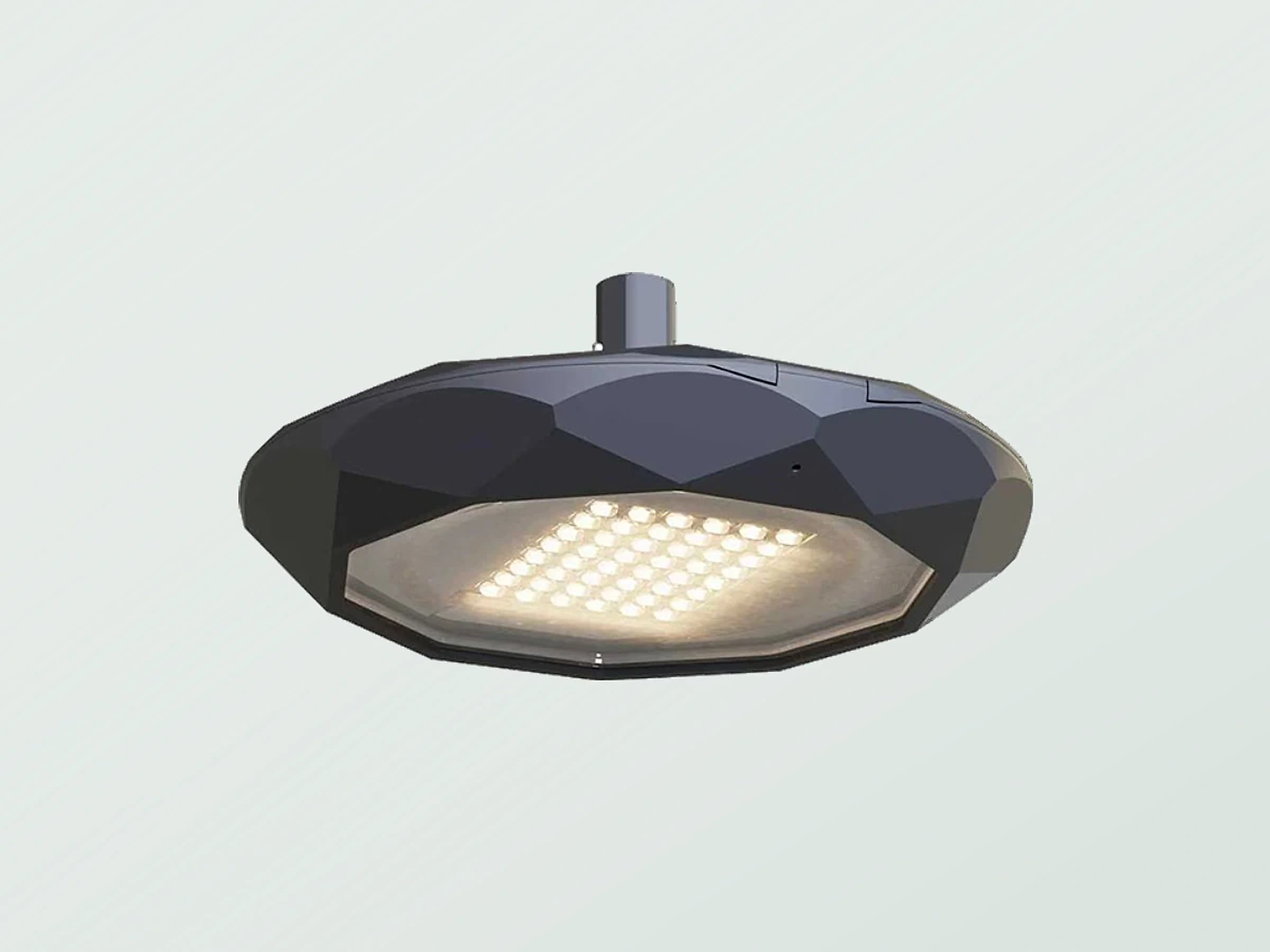
Die-cast aluminium and glass disc form, in road, arm and suspended versions.
View model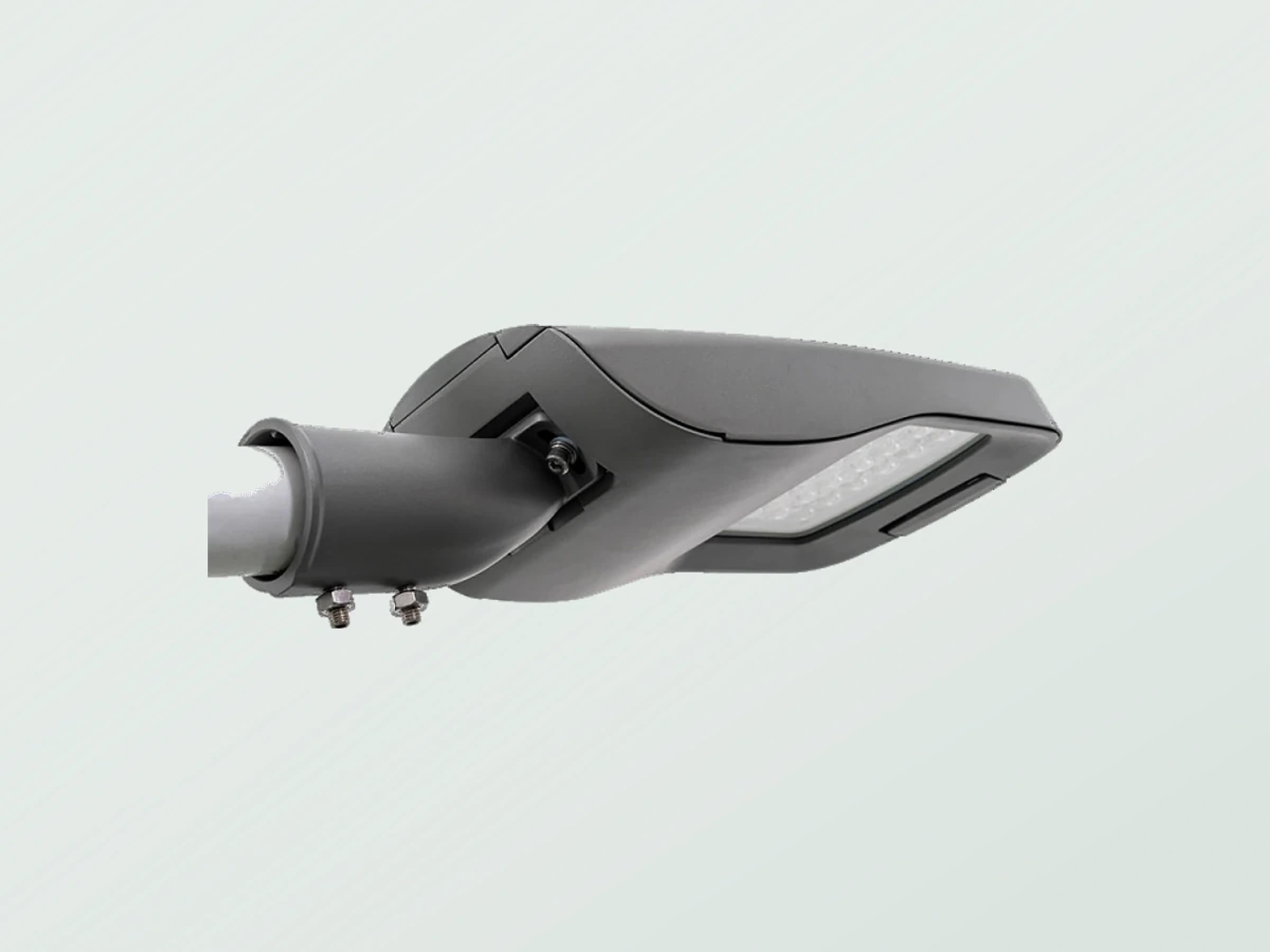
Road and floodlight family with a quick on/off connector; 8-80 W in Vega 1.
View model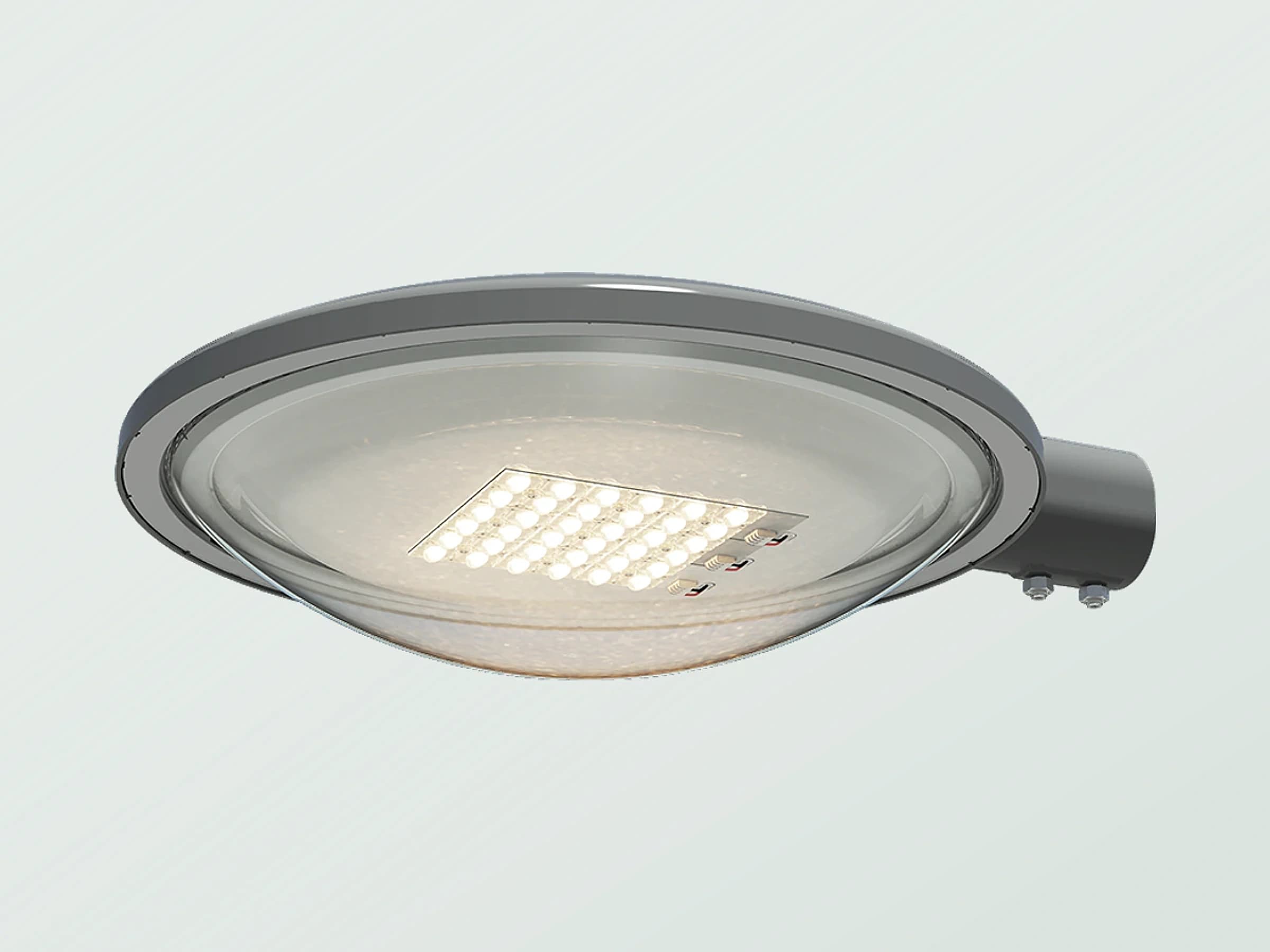
Circular body with separable LED modules, for road, post-top and suspended mounting.
View model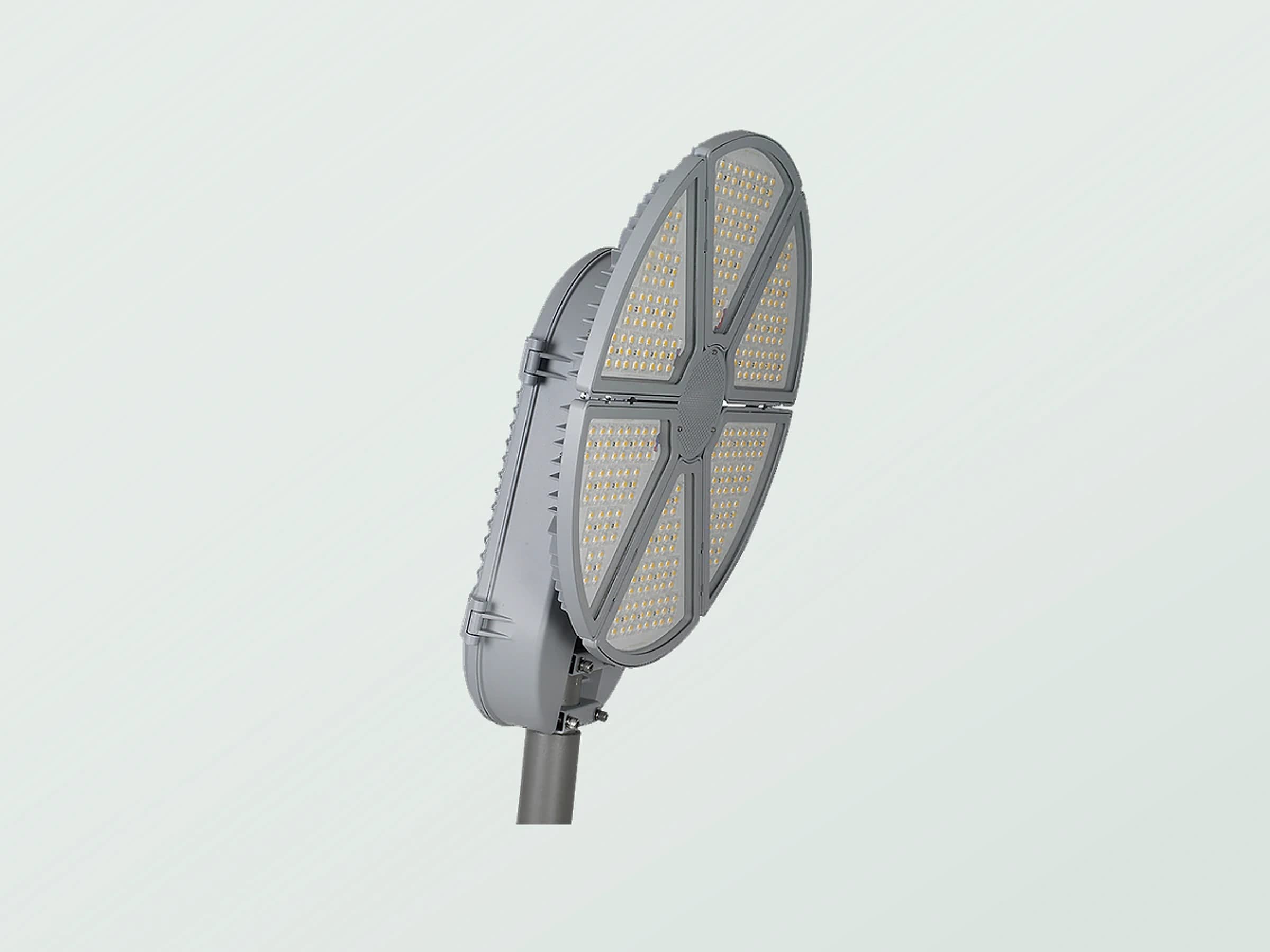
Modular light engine with replaceable LED sections and an adjustable pole mount.
View model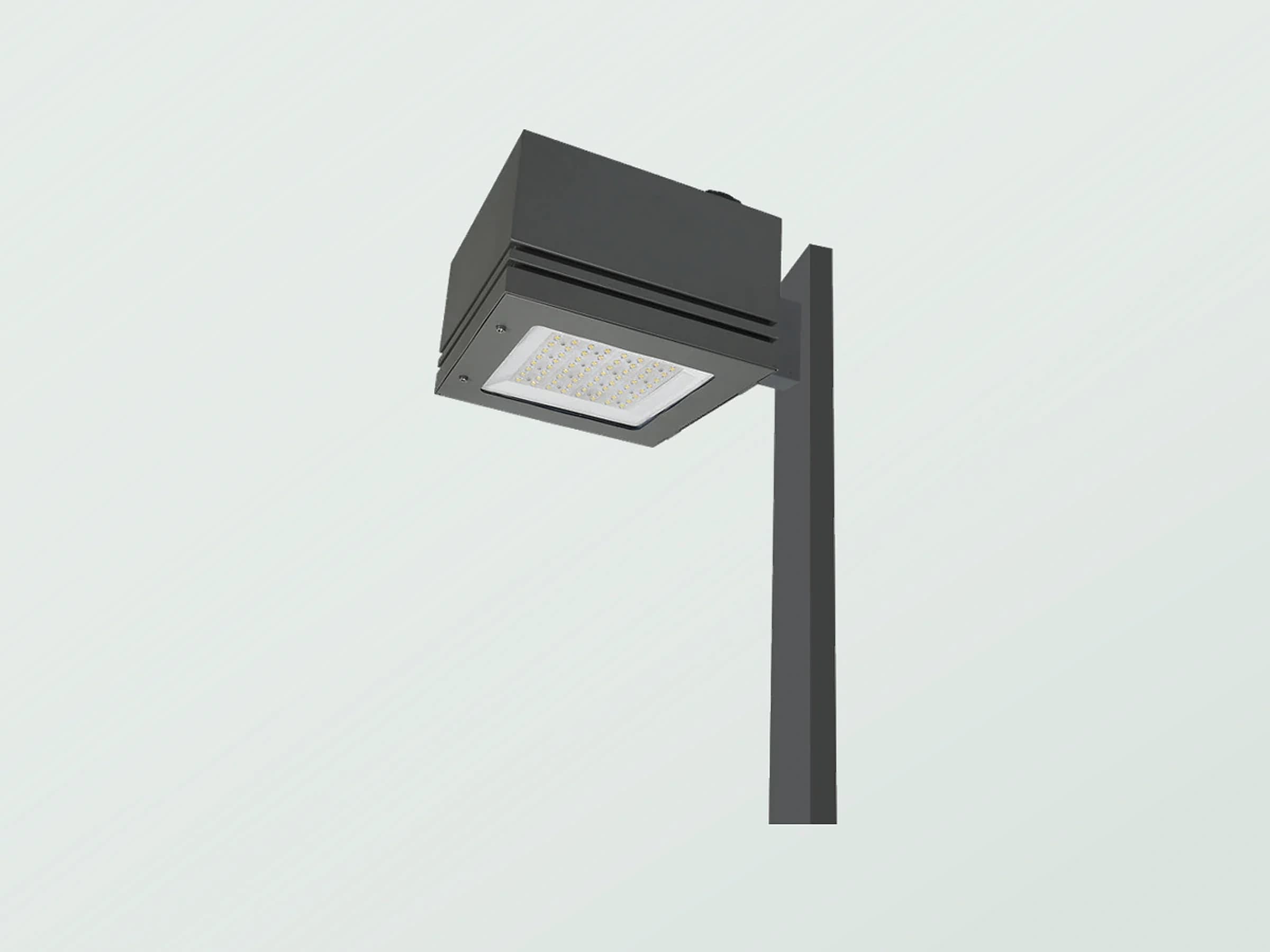
Rectangular stainless steel 201 and glass housing, 20-150 W configurations.
View model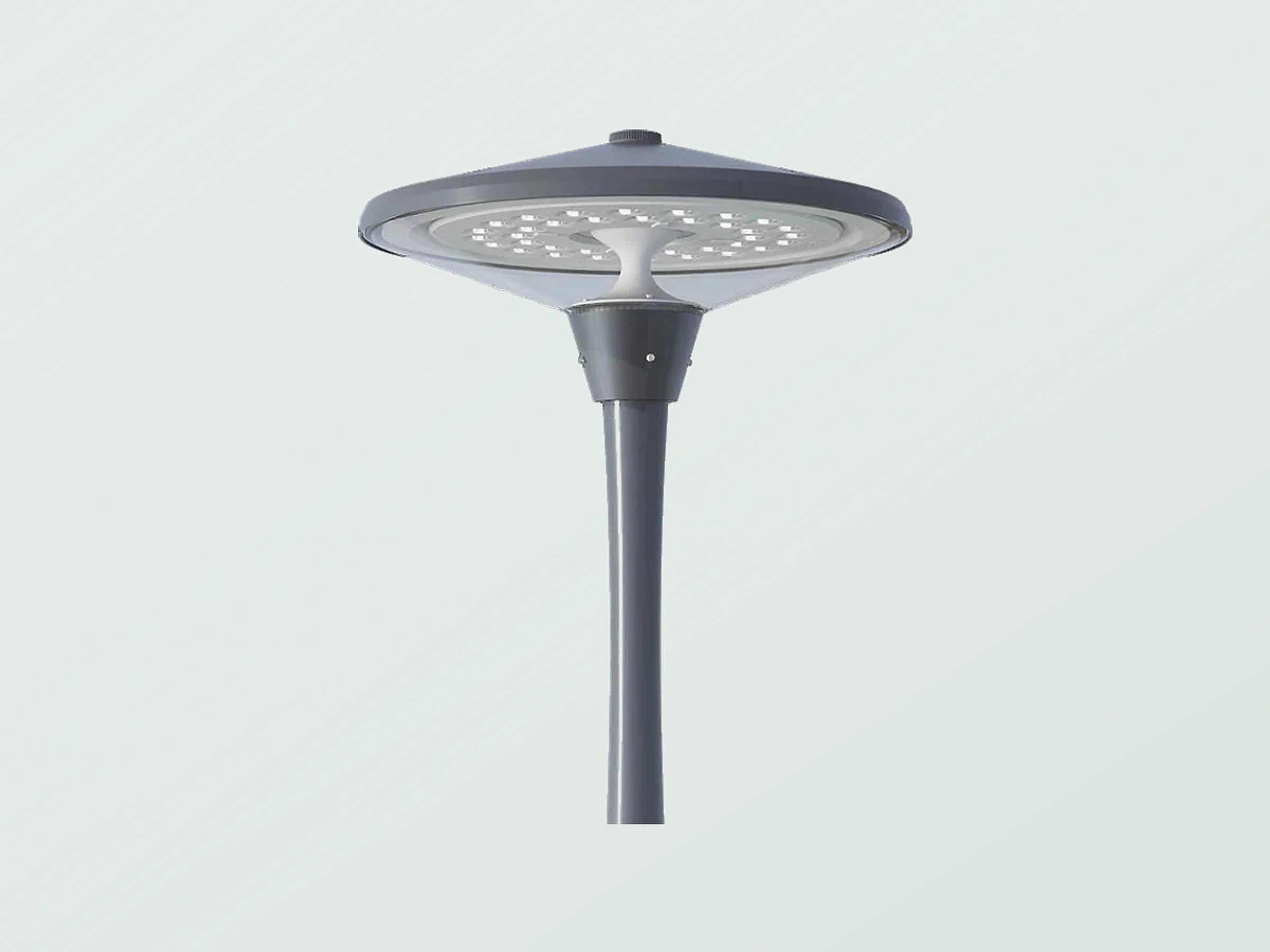
Decorative post-top heads in classic and elliptical forms for landscape schemes.
View modelSample validation
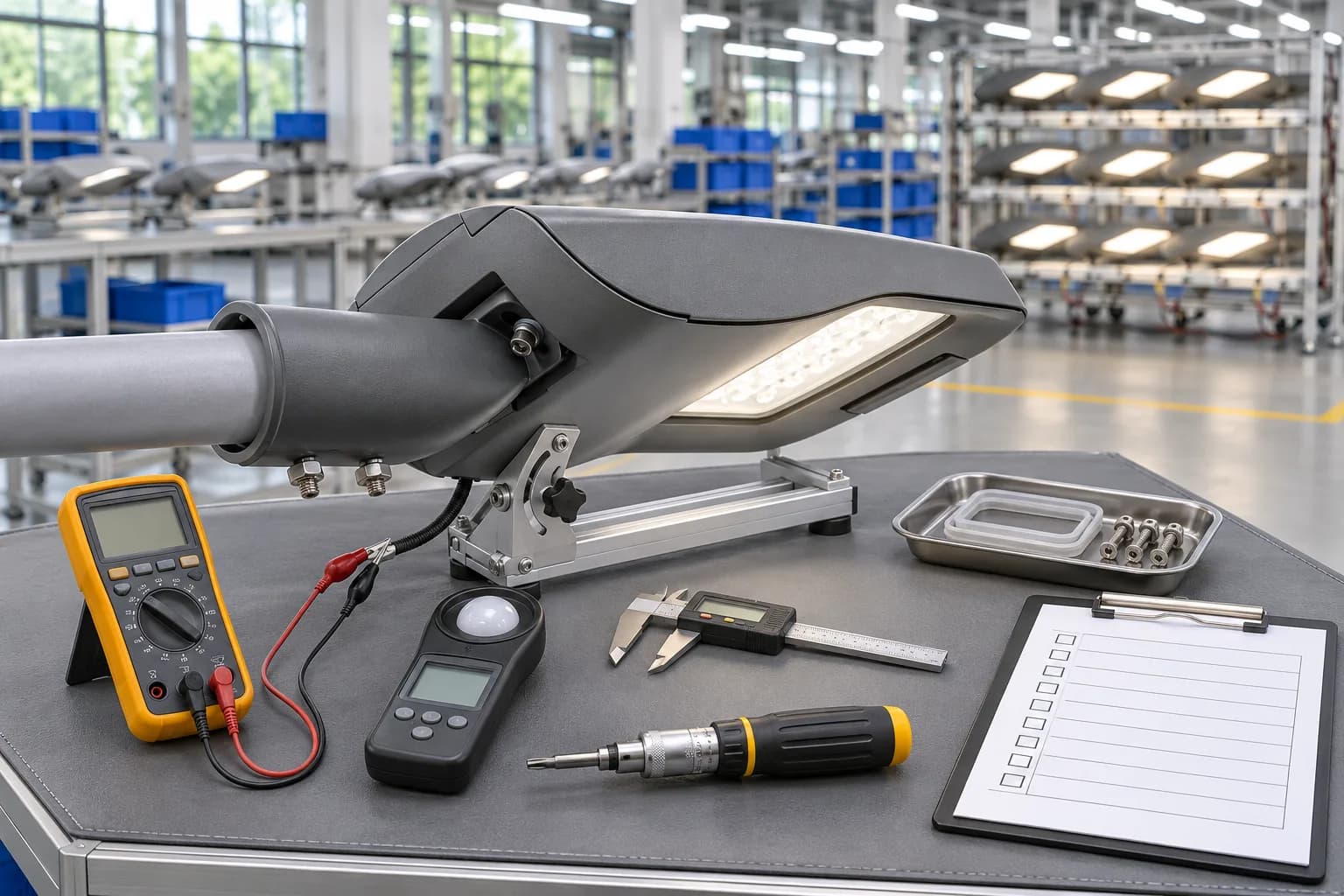
An OEM or ODM sample is measured and stressed with the five test types used for the catalogue range, then approved against the written brief.
Brand brief
Each order is inspected against the agreed configuration, labelled and packed for export. Brand partners can specify the logo, rating labels, carton print and inserts.
Factory and lab
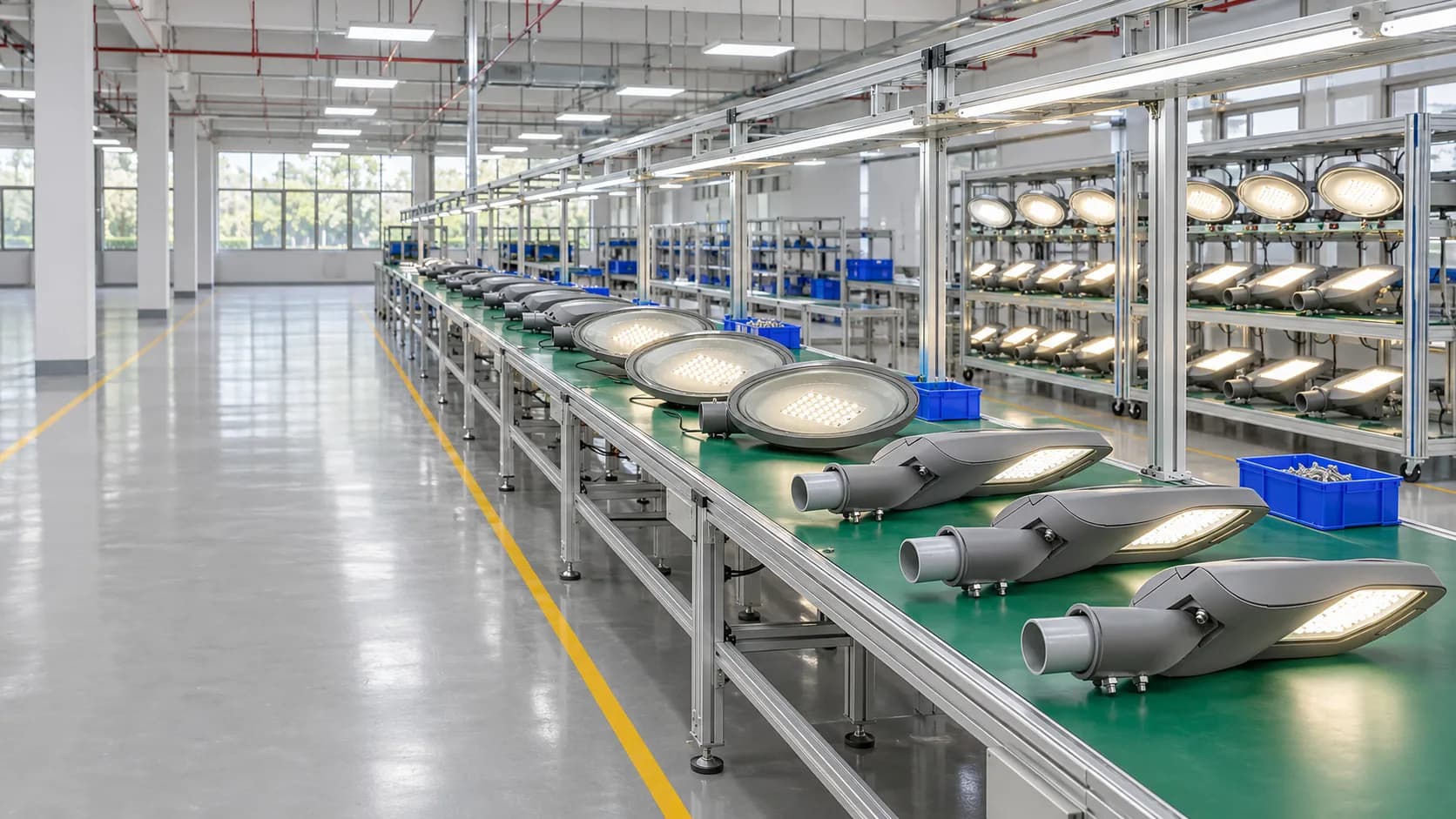
Five production stages and five in-house test types stay with one team, so the answer to a technical question comes from the place the luminaire is made.
Questions buyers ask
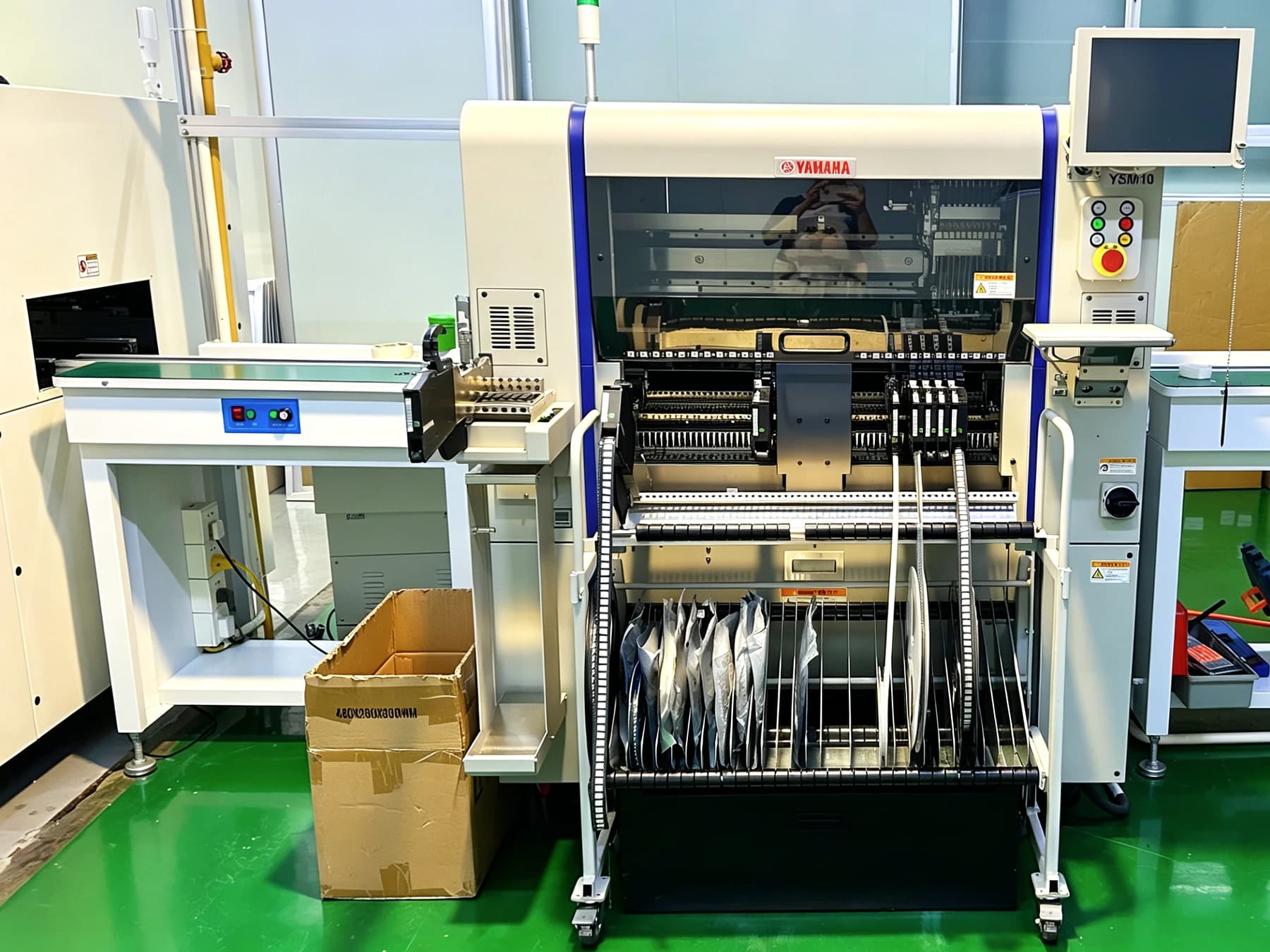
Yes. An approved OEM or ODM configuration is built on the same lines as the catalogue range, from housing machining and SMT through assembly, testing and final inspection.
Samples are tested in the in-house lab, which covers goniophotometer and integrating-sphere measurement, IP66 spray, salt spray and the aging line, and approved against the written brief.
Yes. Most briefs start from a catalogue platform such as Mantis, Vega, 512, Helios, BoxLED or Keira and change the housing finish, optic, driver or branding.
Scope, tooling and testing are confirmed against a written brief first. Feasibility of each change is reviewed with design and development before quantities and pricing are committed.
For product teams
An OEM or ODM discussion starts with a defined product requirement and target market. Use this route for a requested configuration change, brand programme or development enquiry. Identify the reference model, expected volumes and required documentation so feasibility can be reviewed before commercial commitments.
Scope
An OEM or ODM brief is the starting record for reviewing a requested product change. Define the target market, application, reference product, expected volumes and required documents. Identify the change separately from the existing configuration so feasibility, tooling and verification can be discussed without treating an unconfirmed option as an available product.
Workflow
Review the requested change, clarify the production and document implications, and keep a written list of open points before moving to commercial discussion.
Evidence
The public capability page shows the type of production and testing context available without inventing capacity, certifications, or customer results.
Partnerships
A supplier relationship works better when product, technical, manufacturing, document and commercial responsibilities are visible from the beginning.
Whether the conversation is for a project, distribution, OEM or ODM direction, name the product scope, market and the decisions that need a partner.
Use the public capabilities as a starting point, then confirm scope, feasibility and commercial boundaries against the written brief.
Describe the family, application or product change the partnership needs to support.
Separate design, documents, production, testing, logistics and sales responsibilities.
Define the information and review gate required before a commercial commitment.
Scope, MOQ, capacity, delivery, warranty and territory are project terms that require confirmation.
Use manufacturing, testing and product information to frame a practical discussion.
Keep pricing, minimum quantities, lead times and territory outside public assumptions.
Bring the market, product direction and document request into one reviewable submission.
No. The page organizes the discussion. Feasibility, tooling, MOQ, delivery, documents and commercial terms require a project review.
Include target market, product role, requested changes, quantity context, documents, timing assumptions and known constraints.
Start a partnership conversation with the scope visible.
Next step
Share the application, product context, target market, and the documents you need to review.