
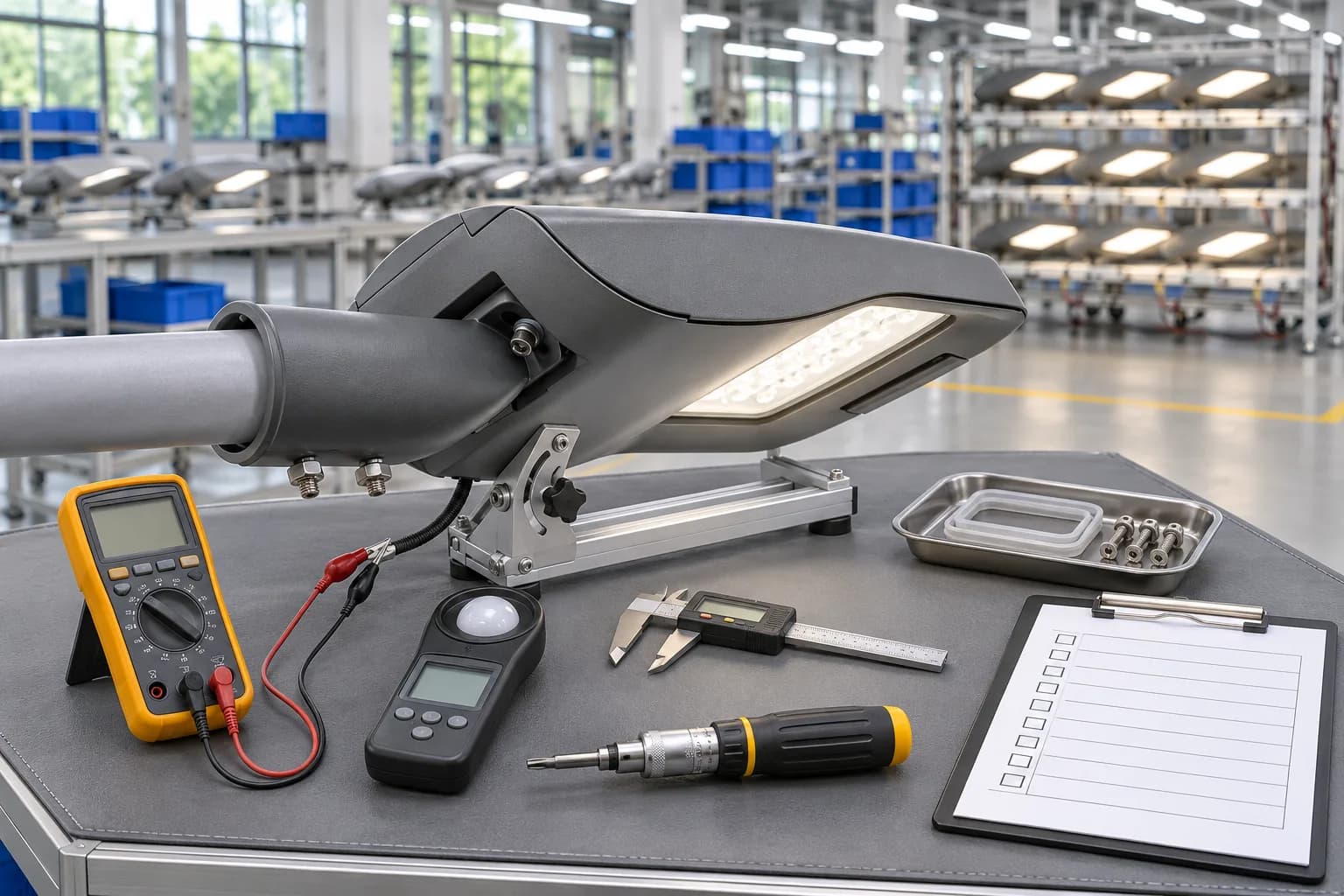
01
Material and process
Ask which product materials, processes and production records are relevant to the selected model.
Home / Manufacturing capability
Technology and production
Understand the production context behind an outdoor lighting discussion, from component preparation to assembly and review.
Page content updated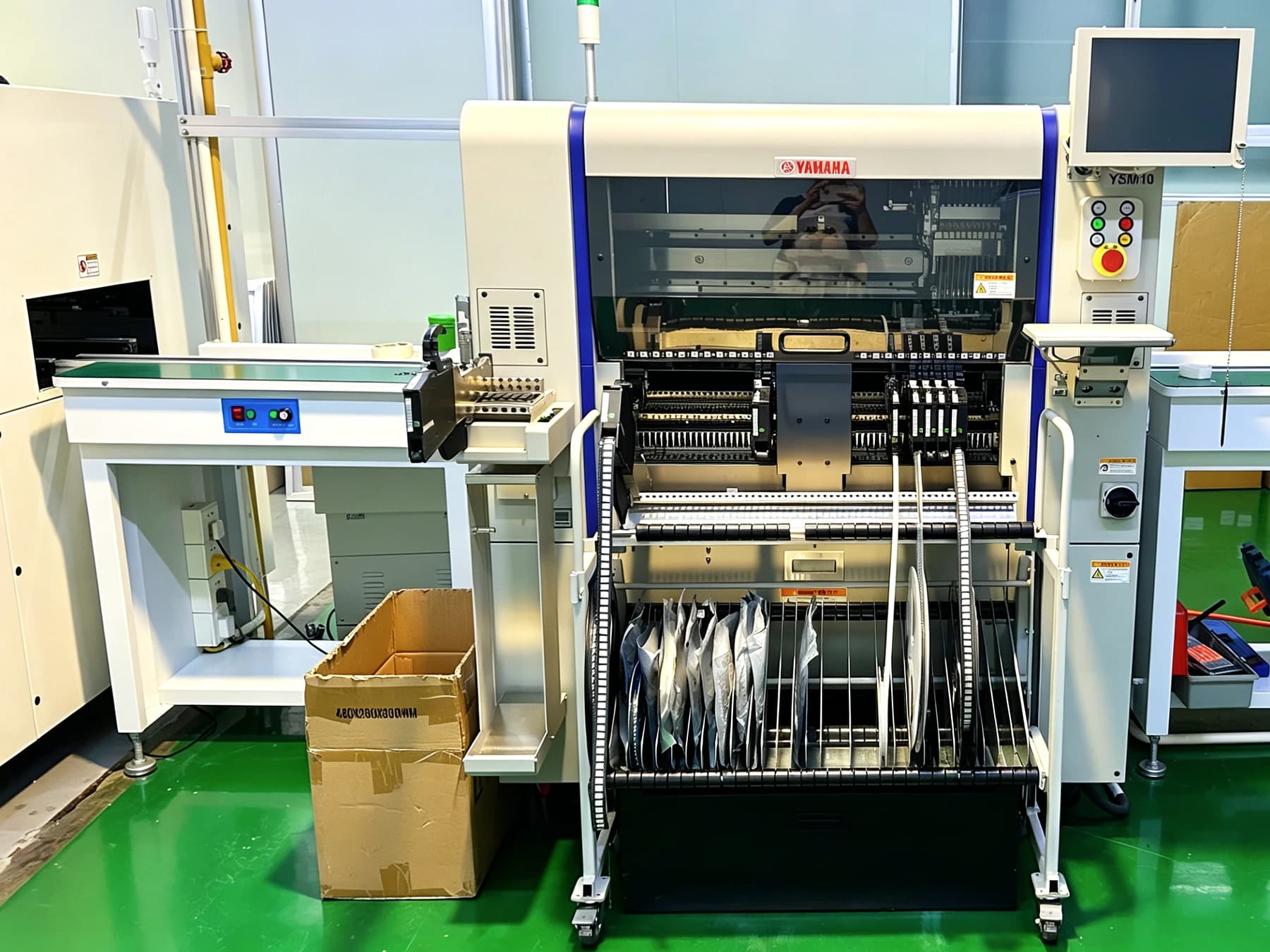
Factory context
Understand the production context behind an outdoor lighting discussion, from component preparation to assembly and review.
A manufacturing review is a discussion of the product family, application, requested configuration and documents required for approval. Identify quantity, target market and any production questions that still need confirmation before treating an enquiry as a production commitment.
The review starts with the selected product and a written configuration, not with a photograph alone. Include the reference model, drawings, requested options, quantity and intended market. Separate standard requirements from proposed changes, and identify which items still need technical confirmation. Keep the same brief with product, quality and commercial teams so a later response can be traced to the version actually reviewed.
Request evidence that identifies the actual model and configuration being considered. Useful records may include the applicable drawing, product information, inspection requirements and test documentation, subject to availability. Check document identifiers and revisions before comparison. Factory imagery provides production context; it does not establish a guaranteed capacity, lead time or certification. Ask for current written confirmation of those matters before a purchase decision.
Technology and verification
Review the testing and inspection context that helps an outdoor LED lighting conversation stay grounded in product and project requirements.
Applicable test evidence is evidence tied to the selected model, configuration and requirement. Start with the application, exposure, control expectation and destination market, then request the relevant report. A test setup photograph does not certify every product or configuration.
Match the product name, configuration and report scope before relying on a result. A document for one optical, electrical or enclosure arrangement may not describe another. Keep the applicable report with the product information and project drawings, and record any difference that needs clarification. Ask the team to confirm availability and relevance rather than treating a similar model name as proof of equivalence.
Confirm the selected model, the requirements it must satisfy and the evidence the approving team will accept. Include the destination market and any project-specific documentation request in the enquiry. Where a report, option or result has not been supplied, leave that item open for review. Current specifications and commercial commitments require written confirmation for the actual configuration; the public photographs are not a substitute for that record.
Sustainability and traceability
Responsible sourcing conversations need clear boundaries: what is documented, what can be requested and what still needs product or project confirmation.
Name the product, market and sustainability or traceability requirement, then ask for the specific evidence the project or buyer needs to review.
Use production, inspection and document context without turning a general image into an unsupported environmental claim.
Ask which product materials, processes and production records are relevant to the selected model.
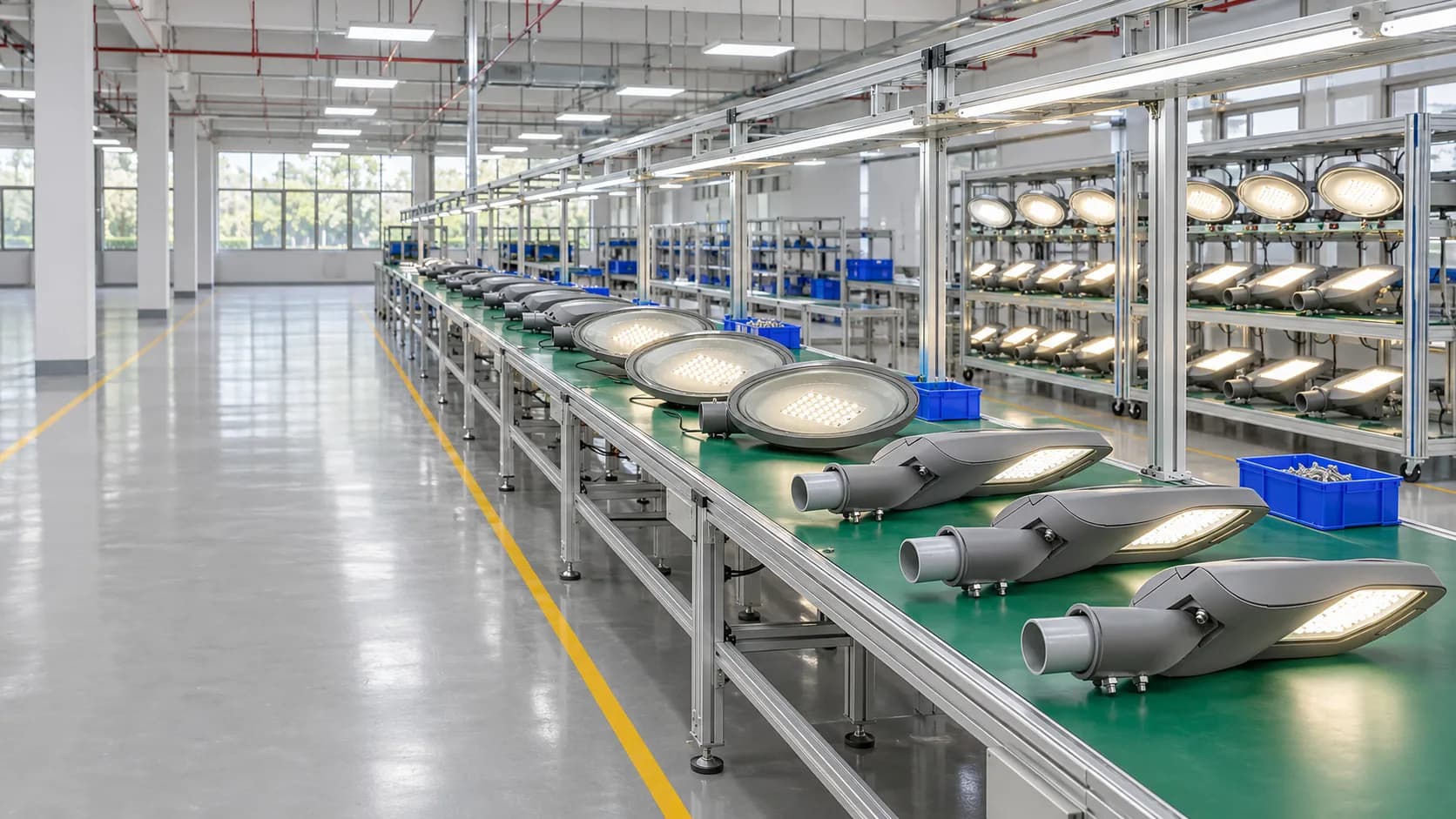
Name the origin, inspection, packaging or supplier information the buyer needs to check.
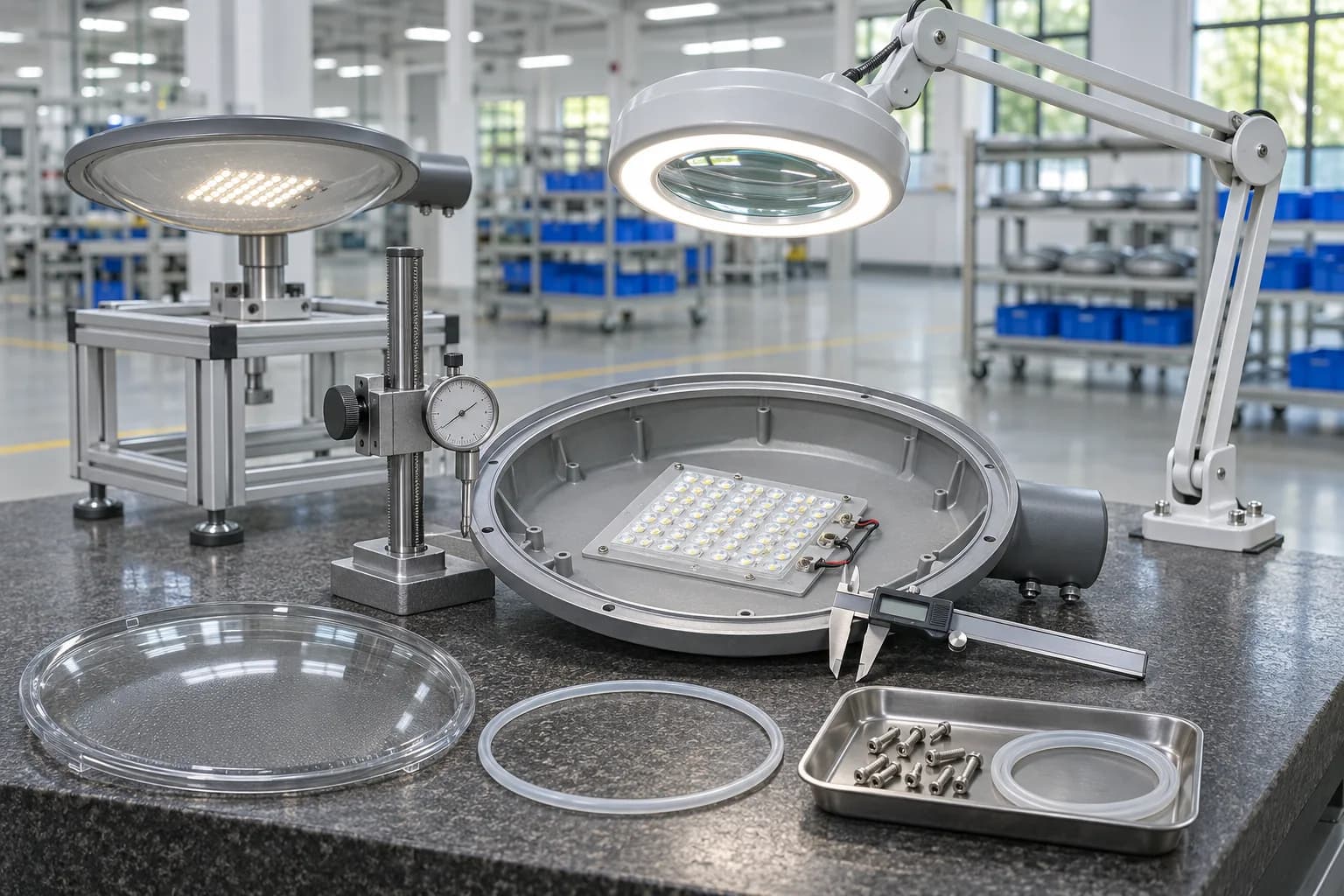
Tie the request to a tender, market, reporting or purchasing decision rather than a generic promise.
The site should distinguish documented process context from claims that require a verified product record or third-party source.
Use information that has a clear source and applies to the product or process in question.
Ask for records that are not public instead of presenting them as available evidence.
Keep environmental, material and reporting claims open until the responsible team confirms them.
No. It shows a work context. Sustainability, materials and traceability claims need product or process evidence that applies to the request.
Include the selected product, destination market, reporting or tender requirement and the exact record the buyer needs to review.
Request evidence that fits the product and market.
Next step
Share the application, product context, target market, and the documents you need to review.