

01
Situation
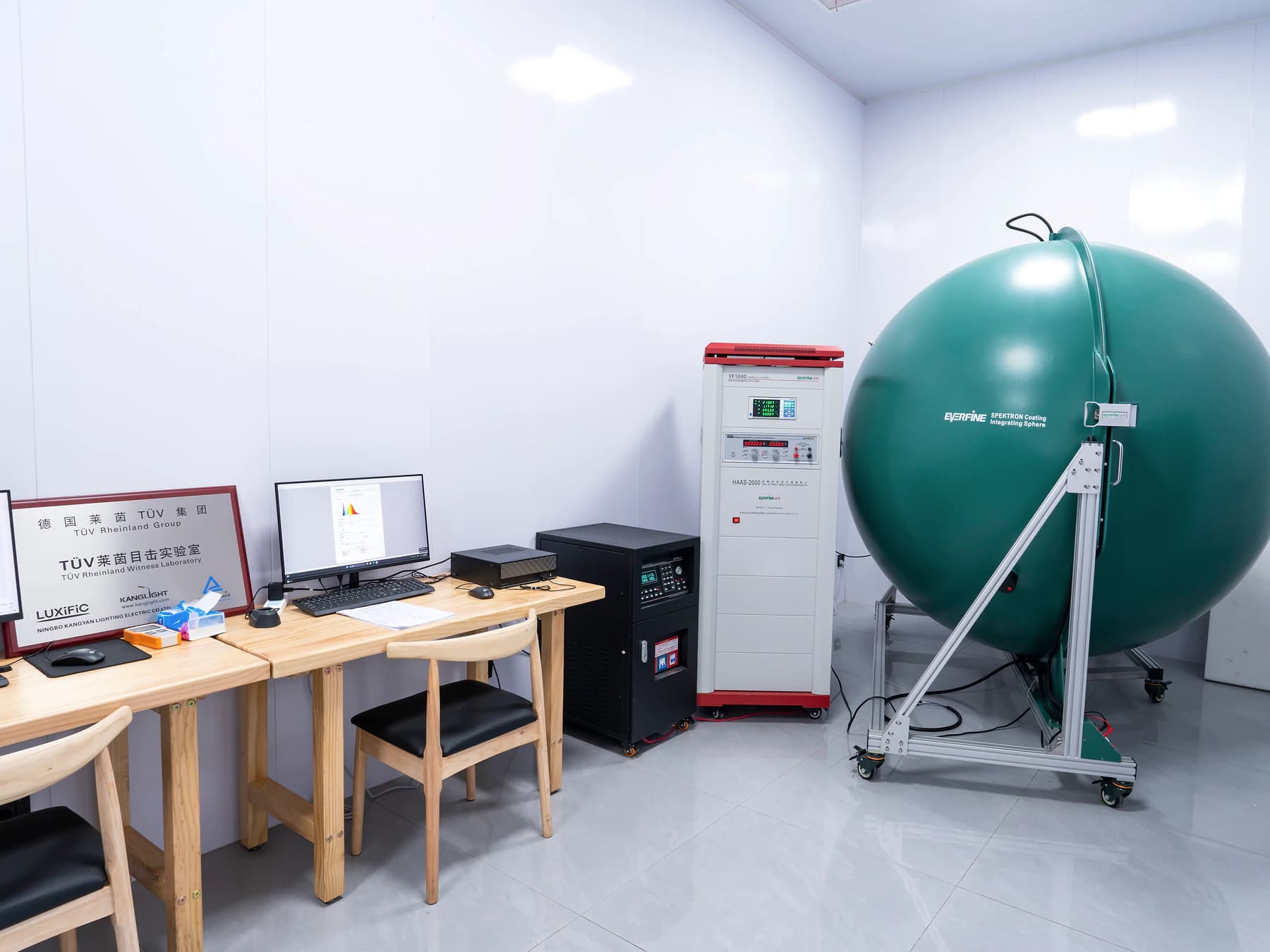
Name the application, location, project stage and the people who need the next answer.
SolutionsProject specification support
For project buyers
Project specification support is a review of the site, proposed luminaire and documents needed for approval. Start here when the lighting task is clear but the mounting arrangement, optics or product evidence still needs confirmation. Keep the technical questions with the quotation request.
LUXiFiC / Solutions / Project specification support
Project specification support is a review of the site, proposed luminaire and documents needed for approval. Start here when the lighting task is clear but the mounting arrangement, optics or product evidence still needs confirmation. Keep the technical questions with the quotation request.Page content updated
Decision sequence
Use the same brief to move from the first requirement to a focused technical response.
A lighting specification brief is a shared record of the application, mounting context, target market, quantity and required documents. Include the site layout and lighting task, distinguish confirmed requirements from open questions, and identify which documents the project team needs before a product can be approved.
Start with the project brief, narrow the product family, identify open technical questions, and align the next response around a defined set of documents.
Use the available product, manufacturing, and testing information as the reference point. Unsupported claims are left out of the public page.
Scope
A lighting specification brief is a shared record of the application, mounting context, target market, quantity and required documents. Include the site layout and lighting task, distinguish confirmed requirements from open questions, and identify which documents the project team needs before a product can be approved.
Workflow
Start with the project brief, narrow the product family, identify open technical questions, and align the next response around a defined set of documents.
Evidence
Use the available product, manufacturing, and testing information as the reference point. Unsupported claims are left out of the public page.
Project brief studio
The fastest route to a useful supplier response is a brief that keeps application, product, market, documents and open decisions in one place.
Start with what the project team already knows. Mark unknowns clearly, then use the first enquiry to decide which technical or commercial question deserves attention next.
The sequence is designed for overseas buyers, project teams and OEM/ODM conversations that need a shared starting point.
Name the application, location, project stage and the people who need the next answer.
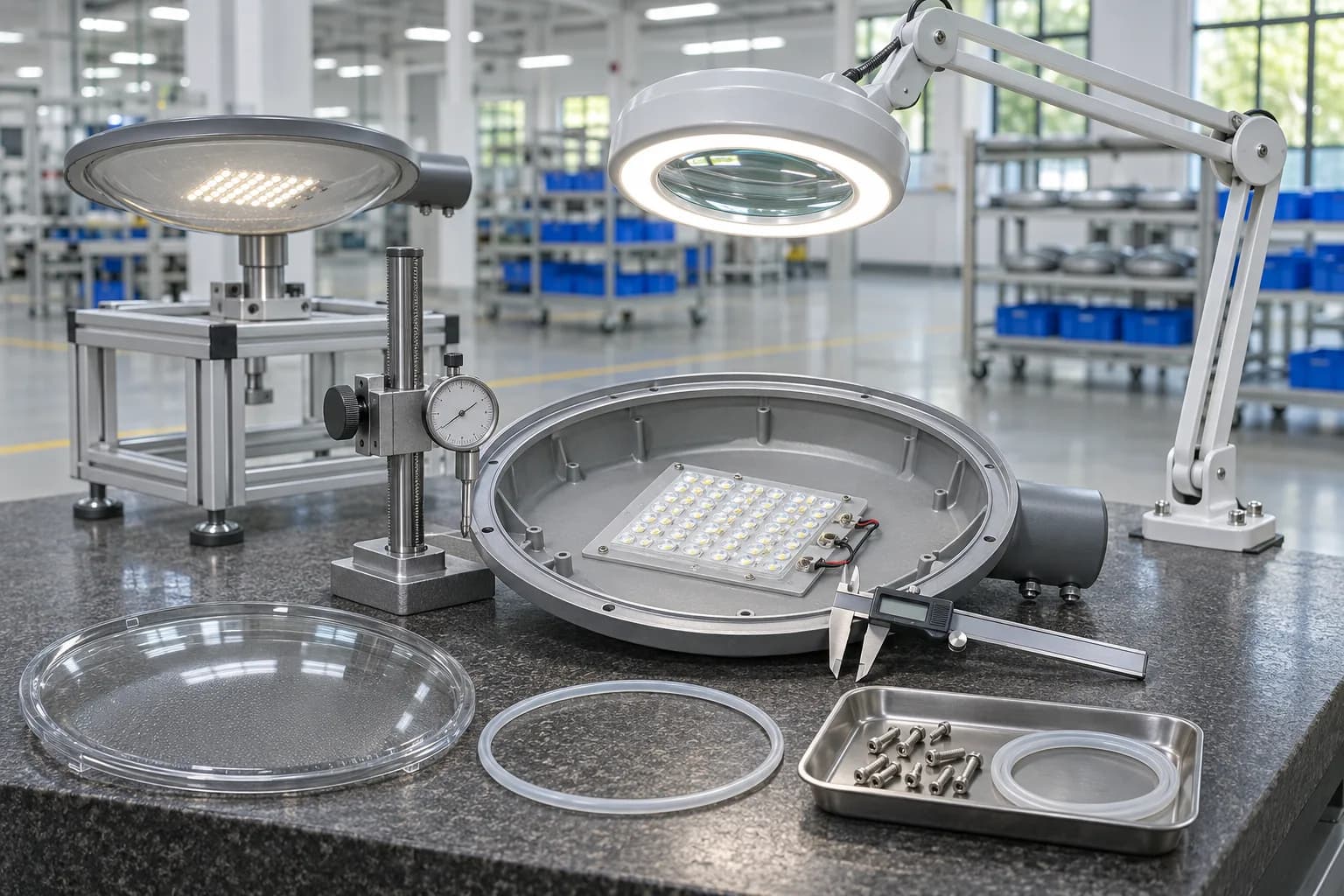
Add the preferred family, alternative direction, quantity and any mounting or control constraints.
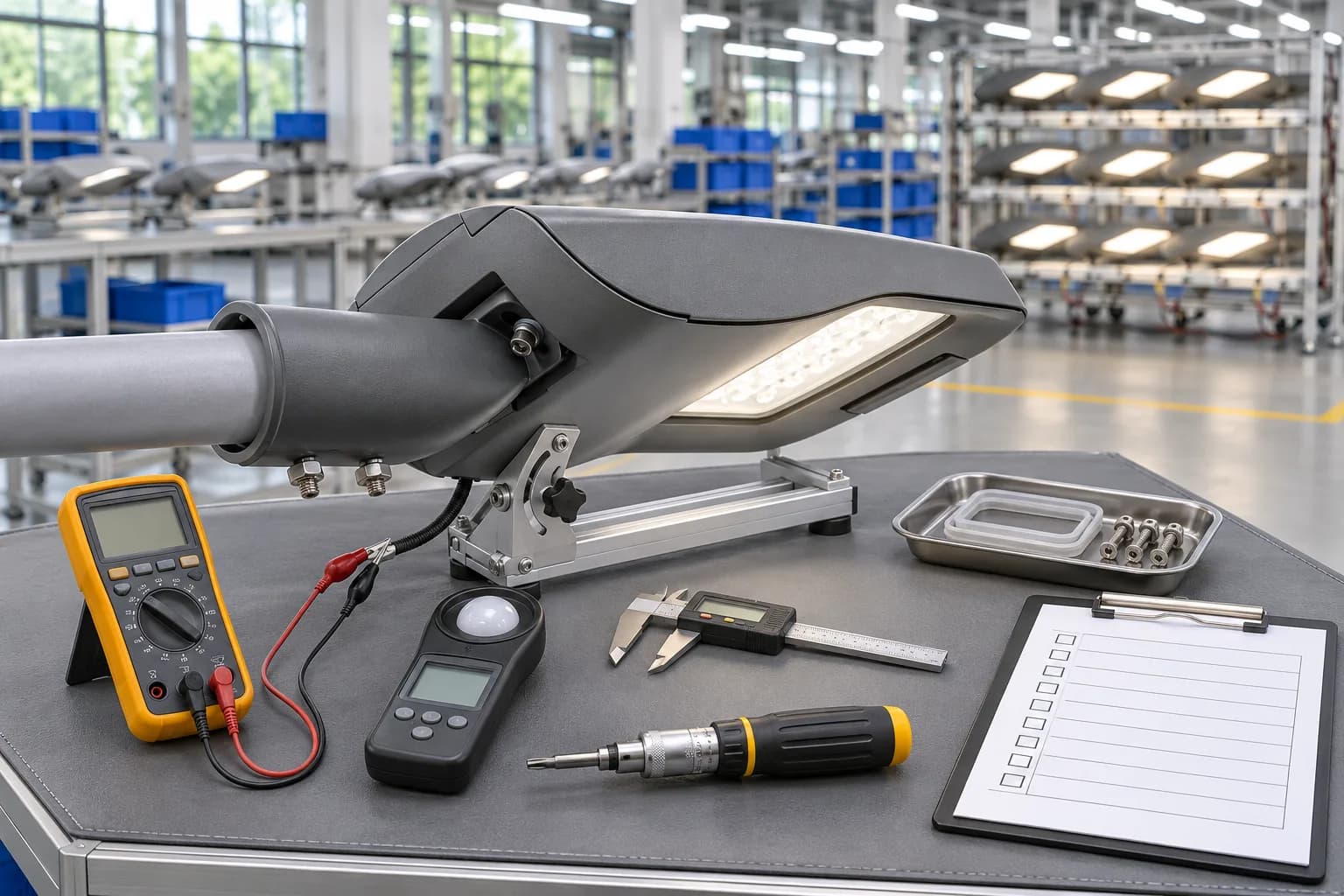
List the drawings, optical data, testing records or commercial details needed for review.
Clear open questions help the supplier respond precisely and prevent unverified assumptions from entering the quotation path.
Keep the application and project requirements that are already confirmed at the top.
Separate pending measurements, unknown quantities, market rules and unconfirmed documents.
Choose whether the next step is a product shortlist, technical pack, design review or enquiry.
No. A clear application, project stage and the information already available are enough to start a focused discussion.
Yes. Add the target market, product direction, required changes and documents so the scope can be reviewed by the right teams.
Send the brief you have, not the brief you wish you had.
Project brief review
A brief review checks whether the product, application, market, documents and open decisions are visible before the quotation discussion begins.
The goal is not to reject incomplete information. It is to show which missing detail will change selection, documentation or the next commercial response.
Use these checks to make the request easier for design, technical, production and purchasing teams to understand.
Can the reader tell where the light will be used and what the installation must achieve?
Is there a preferred family or a clear reason the team needs help narrowing the options?
Are the drawings, optical data, tests or commercial details named precisely enough to review?
The outcome is a clearer question, not an invented answer or an unsupported readiness score.
Preserve verified facts, supplied files and decisions already made.
Mark unknown quantities, installation details, market requirements or model options.
Choose the smallest next request that will move the project forward.
No. It helps organize the request. Approval, technical suitability, commercial terms and delivery commitments require the responsible teams and project documents.
Attach the application context, product direction, approximate quantity, target market and any relevant drawings or technical requirements.
Send the questions that remain open.
Project brief checklist
A short, complete project brief makes it easier to identify the right product path and the documents that still need to be confirmed.
The checklist is designed for the details procurement teams can gather early, even when the final design or quantity is still changing.
Keep the check focused on useful facts rather than creating a long form that hides the real project question.
Name the application, site conditions, operating context and intended lighting outcome.
Add a preferred family or selection question, approximate quantity and the project stage.
List required drawings, optical data, testing evidence, language and destination-market needs.
The point is to expose the next question, not to turn early project information into a false approval.
Record the information the team can already verify.
Mark missing quantities, drawings, controls, market requirements or installation details.
Name the next document, response or conversation that will close the gap.
Yes. Mark the missing information clearly so the team can focus the next response instead of guessing.
Include application, approximate quantity, target market, product direction and the specific technical or commercial question.
Use the checklist in a real enquiry.
Resource
A project brief is the common record used by procurement and engineering to review a lighting requirement. This checklist covers the application, selected product, quantity, destination and documents needed for the next decision. Mark unconfirmed details so an assumption does not become a purchase requirement.
01 / Application
A lighting project brief is a shared description of the place and the task the lighting must support. Include the route or area, mounting positions, target surfaces and available site imagery. Mark fixed constraints separately from options still being considered, and add a layout drawing where available so the review is not based on a product photograph alone.
02 / Product
Share the preferred family or product role, quantity, control expectation, and technical documents required for review.
03 / Commercial
Add target market, destination, timing, and the best way to continue the conversation. Confirmed commercial terms require a written response.
Next step
Share your application, product context, quantity, market, and the documents you need to review.