
01
Place and visual hierarchy
Explain which paths, edges, surfaces or architectural elements should guide attention.
ApplicationsLandscape lighting
Application brief
Shape paths, planted areas, and architectural edges with lighting that supports atmosphere without losing practical control.
LUXiFiC / Applications / Landscape lighting
Shape paths, planted areas, and architectural edges with lighting that supports atmosphere without losing practical control.Page content updated
The project question
A landscape-lighting brief is a description of the paths, planting and architectural features that need attention after dark. Mark movement routes and desired focal points, along with areas that should remain unlit. Include viewing positions, nearby windows, fixture scale and maintenance access. These details establish the context for comparing products without assuming that a reference scene predicts the result on another site.
Selection path
Start with the location and mounting opportunities, then compare products against the same lighting task. Keep exposure, service access and control expectations with the shortlist and request the applicable product documents. Appearance is one consideration, but the selected configuration also needs to fit the installation. Send a layout or annotated site images when the fit cannot be established from the catalogue.
Project support
A clear brief gives product, engineering, and commercial teams a common reference before the project moves to detailed review.
Landscape and architectural
Landscape and architectural lighting needs a different starting point: visual hierarchy, integration, mounting detail and the atmosphere the place should retain after dark.
Bring the project type, surfaces, paths, planting, facade elements and intended visual focus into the first conversation. The family can then be reviewed in context.
Organize the design intent and technical constraints together so aesthetic decisions do not lose their installation requirements.
Explain which paths, edges, surfaces or architectural elements should guide attention.
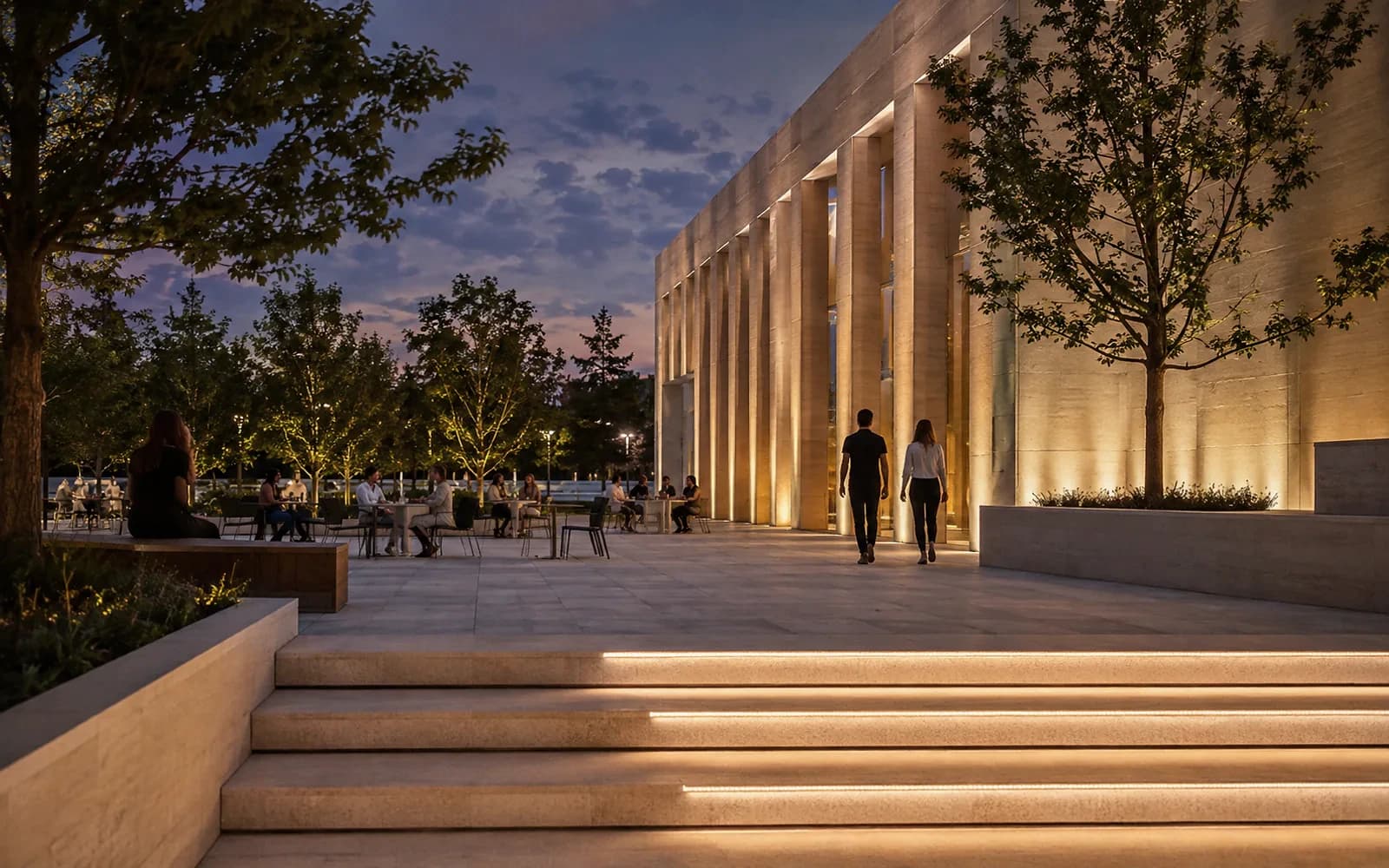
Identify mounting visibility, access, service expectations and the surfaces the luminaire must work with.
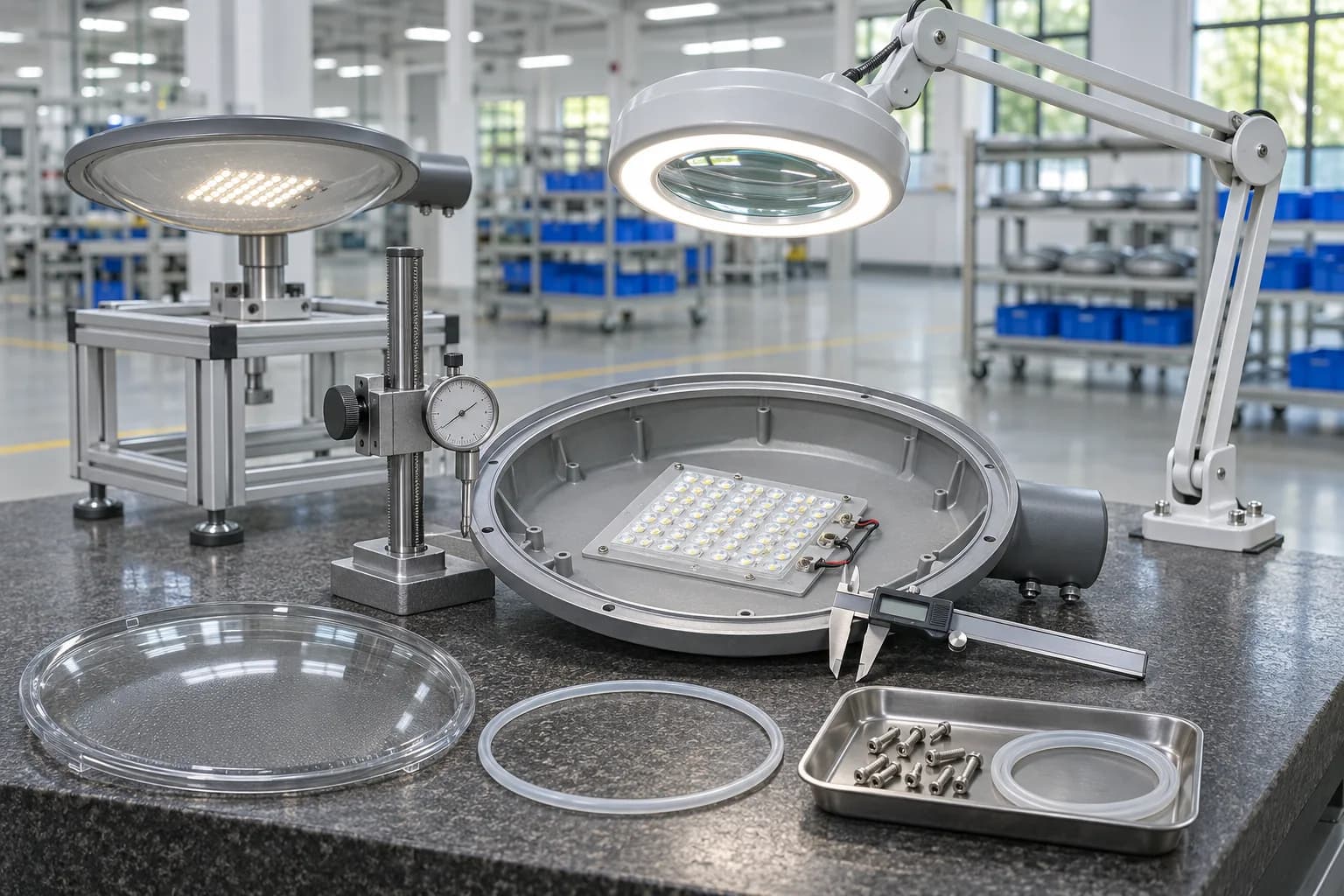
Note distribution, glare, color, dimming or control questions that need model-specific confirmation.
A good landscape brief lets the purchasing team see why a family was selected and what still needs to be tested or confirmed.
Define the intended emphasis, rhythm or quietness of the scene without promising an unverified outcome.
Record what the site can physically accept and what access the maintenance team needs.
Ask for the drawings, optical data or samples that help the team judge the selected configuration.
The image is an application reference and should not be treated as proof of a documented customer installation. Confirm project references separately.
Include the surface or element to light, mounting constraints, visual intent, control expectations, quantity and destination market.
Connect the visual idea to a usable brief.
Project reference
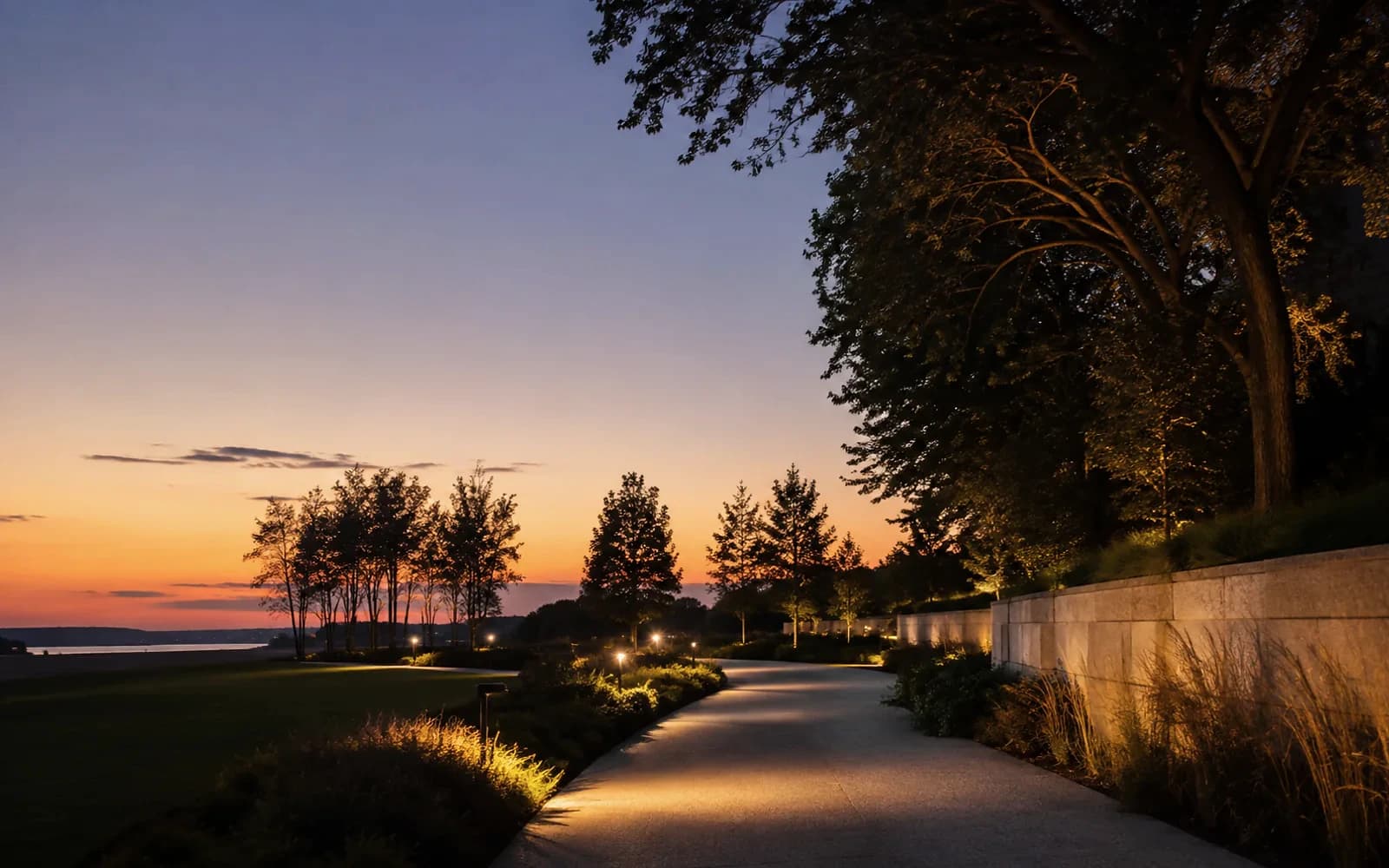
A landscape path reference connects pedestrian movement with planting, fixture scale and service access. Use it to identify the surfaces that need light and the areas that should stay unlit. The scene supports a planning discussion; it does not establish the configuration needed for another site.
Project brief
A landscape path brief is a record of the movement route, adjacent planting, architectural edges and intended visual hierarchy. Mark where people walk, where fixtures can be placed and which surfaces need attention. This reference illustrates a planning approach; it does not claim a completed client project or measured outcome. Use current site drawings and photographs when requesting an actual product review.
Constraints
Review fixture scale, glare concerns, planting growth, exposure and maintenance access together. Note nearby windows or other areas where unwanted light would matter, and identify mounting or service restrictions. Keep these requirements with the shortlist so product comparisons address the same conditions. Final suitability and any performance claims require the selected configuration and project-specific evidence.
Product path
Use the landscape application page to move from scene context to products and then to a focused project enquiry.
Next step
Share your application, product context, quantity, market, and the documents you need to review.